Blog

RWA and DePIN: The Future of Assets and Infrastructure

What is RWA?

In the blockchain world, Real World Assets (RWA) refer to tangible, physical assets with economic value, such as real estate, gold, vehicles, and art. Tokenizing these assets offers three main benefits: it opens the door for more people to invest by lowering barriers to entry, enables easy transferability—similar to sending a PayPal transaction—and allows the assets to be used in decentralized finance (DeFi) applications, such as providing liquidity in an AMM or using them as collateral to borrow tokenized cash.

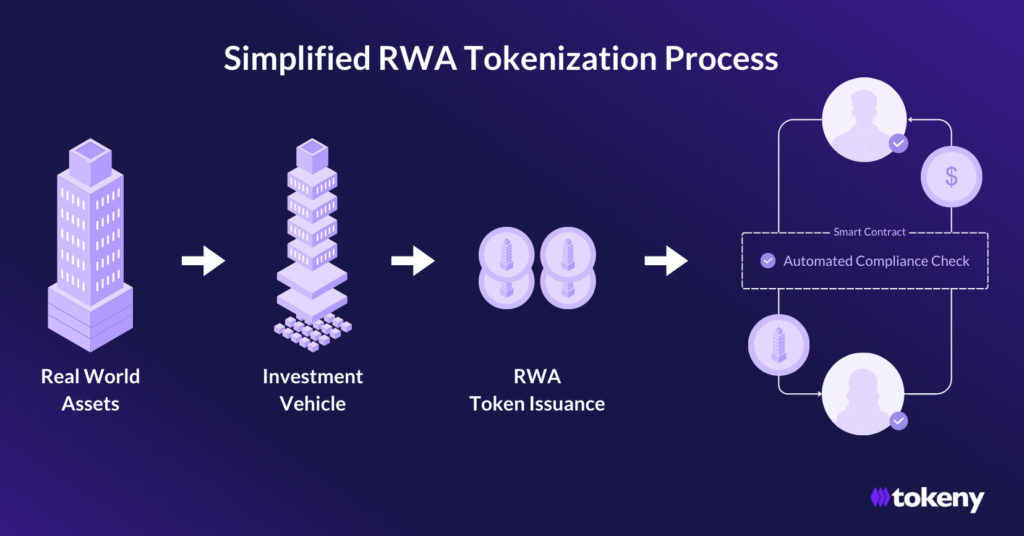
To fractionize the ownership of these RWA, it often turns the assets into financial instruments. Typically, this involves creating an investment vehicle like a Special Purpose Vehicle (SPV) to hold the underlying asset. Tokenization is the process of representing ownership of financial instruments such as shares or debts of the SPV as tokens on a blockchain, allowing for digital purchase, self-custody, easy transfers, and usage of assets. These tokens represent securities and must comply with strict regulatory rules, only qualified investors meeting regulatory conditions can trade and hold them.

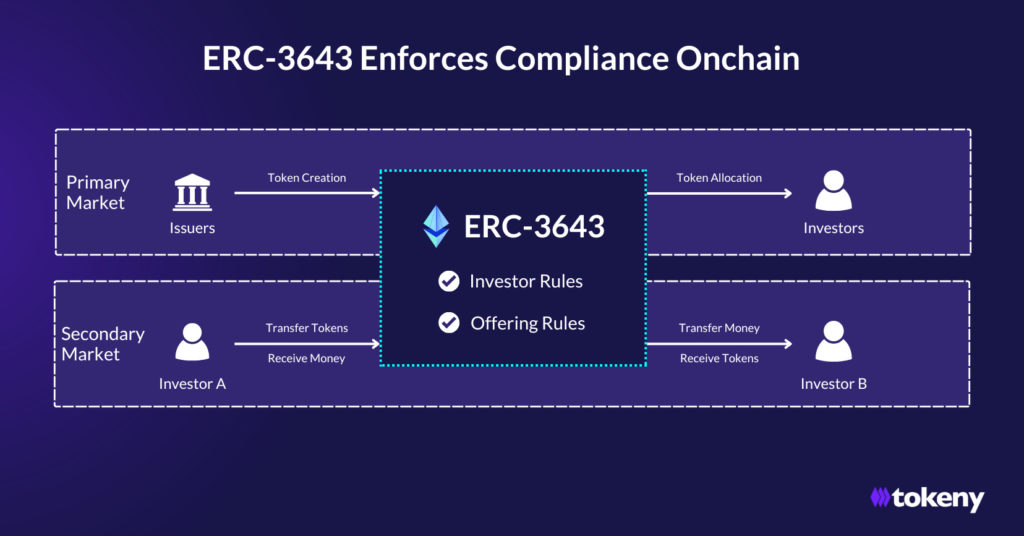
In most cases, ERC-20 standard should not be used for tokenizing RWA as ERC-20 tokens are permissionless, allowing the transfer to anyone without restriction. However, bearer instruments are illegal in most jurisdictions. This is where permissioned tokens using the ERC-3643 standard become vital. They ensure that only qualified users can hold them, which is crucial for compliance with regulations.

RWA market is one of the fastest growing markets in the blockchain industry that has reached an all-time high of $12 billion tokenized, according to a Binance Research report. However, this figure doesn’t fully capture the market’s scale.

“At Tokeny alone, we’ve facilitated the tokenization of more than $32 billion worth of assets onchain.”

Shurong Li, Head of Marketing at Tokeny

“At Tokeny alone, we’ve facilitated the tokenization of more than $32 billion worth of assets onchain.”

Shurong Li Head of Marketing

Many of our clients choose not to make their data publicly available, as these are often private assets. Additionally, large institutions face challenges in accepting onchain cash due to regulatory uncertainty and they still prefer to invest in fiat. Given the current scale, we expect this market to grow significantly in the coming years.

What is DePIN?

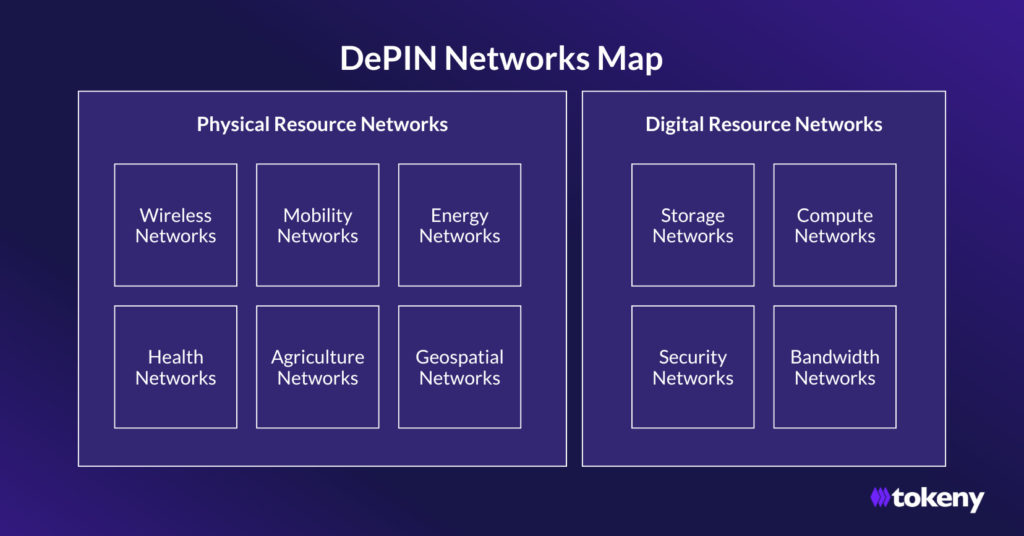
Decentralized Physical Infrastructure Networks (DePIN) is an emerging concept where decentralized networks are used to manage and operate physical infrastructure. These networks include cloud services, wireless networks, sensor networks, mobility and energy networks. DePIN networks incentivize individuals to contribute to the bootstrapping phase of growth without relying on outside resources. This means individuals are incentivized by tokens to build up the supply of infrastructure without the need for centralized operators. DePIN addresses the issue that traditional centralized infrastructure, operated by corporations, requires a significant investment of time and money for both building and maintaining infrastructure, making it nearly impossible for individuals to build networks.

The main drive of DePIN systems is for Web3 companies to outsource all the building and maintenance of these network infrastructures. Take Hivemapper, for example, a decentralized digital map of the world (sensor networks). They provide users, known as “mappers” with a dashcam to drive around and capture real life images of everything they pass. This is one of the methods to build and maintain the infrastructure of this network. The incentive for the individuals contributing is earning tokens that hold monetary value, which can be redeemed to access premium map data and participate in governance decisions. The more a user contributes, the more infrastructure is built and maintained, the more tokens they receive as incentive.

What is the Difference Between the Two?

Although RWAs and DePIN both interact with the physical world, they have different use cases and operate in distinct ways. These differences include their purpose, the markets they operate in, the regulations involved, and the concept of ownership versus contribution.

RWA operates in the financial sector, involving tangible real-world assets like real estate, gold, or art that are converted into tokens representing fractionalized ownership. These tokens can be bought, sold, and traded among authorized investors.

“To ensure compliance, RWAs must strictly follow regulations, often using permissioned tokens such as ERC-3643.”

Luc Falempin, CEO of Tokeny

“To ensure compliance, RWAs must strictly follow regulations, often using permissioned tokens such as ERC-3643.”

Luc Falempin, CEO of Tokeny

The goal of RWA is to democratize the investment and ownership of physical assets, making them more accessible to a wider range of investors through tokenization.

In contrast, DePIN focuses on decentralizing the construction and maintenance of networks in the infrastructure sector. Instead of tokenizing existing assets, DePIN networks incentivize individuals to contribute physical resources such as server hosting, energy storage, and data collection. Contributors earn tokens that often provide exclusive benefits and hold monetary value in exchange for their participation. DePin faces fewer regulatory challenges since it involves contributions to infrastructure rather than ownership of assets.

On the other hand, both RWA and DePIN require onchian identity management. For RWA, onchain identity ensures compliance by verifying KYC status and guarantees unlosable ownership. Tokenized RWAs also have their onchain identity, allowing for enriching the data associated with the assets themselves. In the case of DePIN, without robust verification of devices or service providers contributing to the network, there’s a risk of payouts being claimed fraudulently, which can harm the network’s performance. This makes decentralized identity (DID) frameworks crucial for DePIN as well.

The ONCHAINID, an open-source DID framework used in ERC-3643, is an excellent solution. A verifier can conduct necessary checks and issue verifiable credentials as proof. This ensures that only properly functioning devices and valid contributions to the network are recognized, maintaining the integrity and sustainability of the system and enhancing its overall performance.

What is the Opportunity to Make the Two Work Together?

Combining RWA and DePIN presents a significant opportunity to transform both financial investments and infrastructure development. Together these sectors can push forward growth and innovation in the form of a hybrid ecosystem.

Tokenization of Infrastructure: Co-Ownership of DePIN Devices: The real-world assets, devices, such as renewable energy systems or critical IoT infrastructure, can be costly for individual investors. By tokenizing the ownership, for example through the units or shares of a fund that will invest in one or many DePIN devices, people can co-own multiple DePIN devices. The key benefits are listed below.

  • Improved Accessibility: Allowing individuals to co-own expensive infrastructure devices. This opens up investment opportunities for a wider pool of participants, making it possible for people to co-own high-value assets like solar panels or data nodes.
  • Enhanced Transferability: Unlike physical devices, which can be difficult to sell or exchange, fractional ownership can be more easily traded. Moreover, tokenization enables peer-to-peer transfer to enhance transferability and eventually increase liquidity of the assets.
  • New Opportunities and Stability of DePIN Network: Beyond just owning a piece of the infrastructure, the tokenized shares can also be used in DeFi applications. Investors can provide liquidity, stake, or use these tokens as collateral to generate additional financial yield, unlocking even more value from their co-ownership in the infrastructure assets while not needing to sell the devices to ensure stability of the DePIN Network.

Conclusion

In conclusion, RWAs and DePIN, while distinct in their purpose, share common ground in turning the physical world digital. The opportunity to combine these concepts opens the door for innovative applications in finance, infrastructure, and decentralized economies, creating more accessible, efficient, and resilient systems for managing physical assets and infrastructure globally. As blockchain technology continues to evolve, the synergy between RWAs and DePIN could be crucial in shaping the next wave of decentralization.

keyboard_arrow_up

Download Ebook: The Complete Tokenization Process

Close Welcome Bar